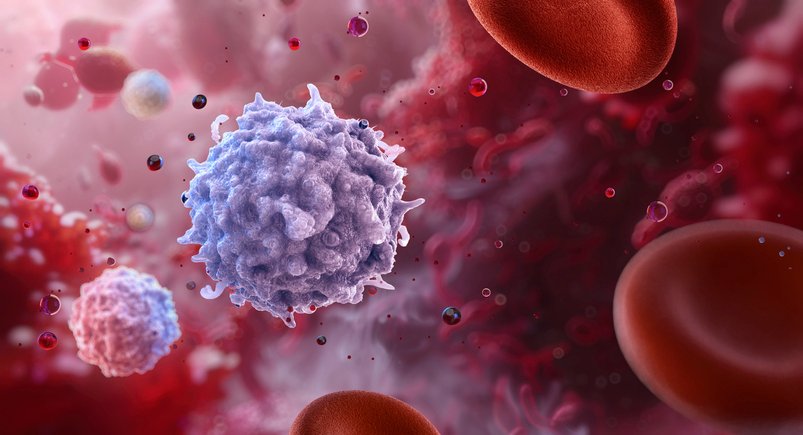
Eli Lilly has significantly expanded its footprint in genetic medicine with a multi-billion-dollar agreement to acquire Kelonia Therapeutics, a Boston-based startup known for its advanced cell therapy candidate aimed at multiple myeloma. This collaboration not only promises enhanced safety and manufacturing advantages through Kelonia’s in vivo approach but also leverages a technological platform that could broaden access to genetic medicines for various cancers and other diseases.
As per the financial terms released on Monday, Lilly will make an upfront payment of $3.25 billion for Kelonia, while shareholders of the startup may receive up to an additional $3.75 billion if certain milestones are achieved.
Cell therapies generally involve engineering T cells to express a receptor that targets cancer cells. Currently available CAR T therapies require these engineering steps to occur in a laboratory setting. This ex vivo manufacturing not only incurs high costs and complexities but also necessitates a preconditioning drug regimen for the patient, introducing additional toxicity and complication risks.
In contrast, Kelonia’s therapies feature an in vivo engineering process, which removes the intricacies and expenses associated with traditional cell therapies and eliminates the need for preconditioning regimens. Their products are derived from a proprietary platform utilizing lentivirus-based particles that infiltrate T cells inside the patient, prompting the cells to express the chimeric antigen receptor (CAR) crucial for CAR T therapy.
Originating from the Massachusetts Institute of Technology, Kelonia has already garnered attention from other pharmaceutical companies. Kevin Friedman, the former Chief Scientific Officer, stated in a 2022 interview that the company modifies the lentivirus envelope to “decoy” it from binding to unintended targets. The virus is then decorated with antibodies that guide it to the correct location in the body. These therapies are designed to serve as one-time treatments, initially targeting blood cancers though potential adaptations could extend to other tissues and genetic loads. Friedman has transitioned to the role of CEO at Kelonia.
Prior to Lilly’s announcement, Kelonia’s technology had already piqued interest from the pharmaceutical sector, leading to collaborations with Astellas Pharma in early 2024 to explore and develop in vivo CAR T therapies, with undisclosed targets. Similarly, a strategic collaboration with Johnson & Johnson began last fall.
Kelonia’s lead therapeutic candidate, KLN-1010, is designed to target BCMA, a protein expressed on the surface of B cells involved in multiple myeloma. BCMA is also the target of existing therapies like Abecma from Bristol Myers Squibb and Carvykti from Johnson & Johnson and Legend Biotech, both of which utilize ex vivo CAR T techniques that come with manufacturing complexities and associated risks.
Initial human data for KLN-1010 were showcased last December at the American Society of Hematology’s annual meeting. Among four patients treated, three who received a high dose and one at a lower dose exhibited a 100% rate of minimal residual disease negativity, indicating no detectable cancer cells. Notably, there were no incidents of grade 3 or higher cytokine release syndrome—a known complication of CAR T treatment—nor neurotoxicity, and lower rates of cytopenias.
In light of this substantial data, Jacob Van Naarden, Executive Vice President and President of Lilly Oncology, remarked on the potential manufacturing and safety benefits of Kelonia’s technology.
“The initial clinical data for KLN-1010 is very encouraging, both as a potential advancement for multiple myeloma patients and as a proof of concept for the Kelonia platform,” he stated. “We look forward to collaborating with the Kelonia team to expedite the KLN-1010’s development to meet patient needs while realizing the platform’s potential in other conditions.”
This acquisition marks Lilly’s second purchase of an in vivo cell therapy startup this year, following a February agreement to acquire Orna Therapeutics, whose primary program targets CD19 on B cells responsible for autoimmune diseases, set to commence Phase 1 testing soon.
Lilly aims to finalize the Kelonia acquisition in the second half of this year, following its recent purchase of CrossBridge Bio, a startup developing cancer antibody-drug conjugates. Ben Zercher, a senior biotechnology and pharma analyst at Pitchbook, perceives the deal with Kelonia as a strategic enhancement of Lilly’s pipeline, fueled by success from its metabolic drugs Mounjaro and Zepbound.
“The $3.25 billion upfront for a Phase 1 program may appear high, but it reflects the rarity of clinical-stage in vivo CAR T assets,” Zercher noted. “If this modality proves effective, it could significantly broaden patient access by alleviating the burdens associated with current ex vivo therapies.”
Lilly’s acquisition of Kelonia is its third in vivo genetic medicine purchase over the past year, following its $1 billion deal for Verve Therapeutics, which specializes in gene editing drugs for cardiovascular diseases and is currently in early-stage clinical development.
Illustration: Ruslanas Baranauskas/Scientific Photo Library, via Getty Images