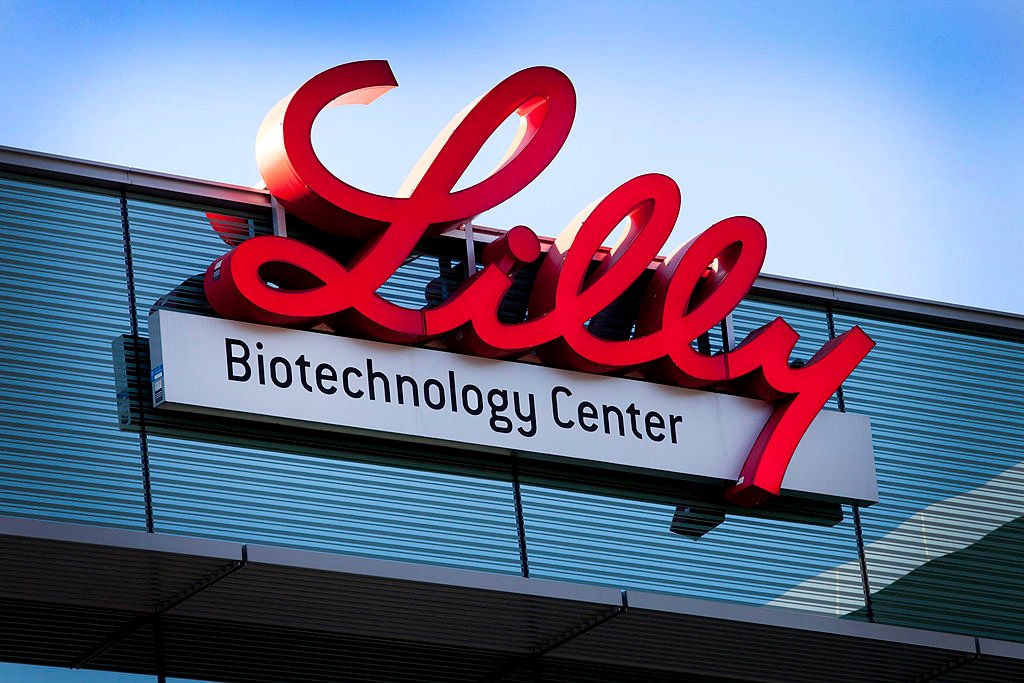
Eli Lilly has expanded its biopharmaceutical toolkit through the acquisition of Engage Bio, a preclinical startup specializing in non-viral DNA delivery technology. This move comes as the limitations of modified viruses—often used in genetic medicine—prompt researchers to explore alternative delivery methods.
Details of the transaction, announced Wednesday, remain sparse, though Lilly indicated the deal could be worth up to $202 million, encompassing unspecified initial payments and subsequent milestone payments.
A prominent challenge with viral delivery methods is their conflict with the immune system. Even when engineered not to replicate or cause infection, viruses are still treated as foreign by the body, prompting the production of antibodies. This means viral therapies typically serve as one-time treatments, as any subsequent doses may be rendered ineffective by these immune responses. Engage Bio, based in San Carlos, California, addresses this issue with lipid nanoparticles (LNP), which the body does not recognize as foreign, allowing for potential redosing.
Engage’s goal is to create therapies that are not only more effective but also less toxic, enhancing patient safety. The company’s proprietary technology, known as Tethosome, aims to target DNA directly to a cell’s nucleus, enhancing expression levels. Importantly, the immune system does not recognize these therapies as foreign, thus avoiding immunogenic reactions. Engage asserts that its DNA payloads are designed to improve tolerability while maintaining durability and programmability.
In a LinkedIn post, Will Olsen, CEO of Engage, expressed confidence in the platform’s ability to deliver non-viral DNA with substantial improvements in tolerability, expression, and the potential for repeated dosing. “At Lilly, we have found a partner willing to invest decisively in potentially transformative technologies,” said Olsen. “We believe that the combination of the Engage platform and Lilly’s extensive capabilities has the potential to rapidly advance the development of innovative DNA medicines.”
Founded in 2021 and a graduate of the startup accelerator Y Combinator in 2022, Engage is still at the preclinical stage and has not disclosed specific disease targets. Funding for the startup has come from sources including SciFounders, Pioneer Fund, Cal Innovation Fund, Y Combinator, and the Cystic Fibrosis Foundation. It has also received non-dilutive funding from the Gates Foundation and the National Center for Advancing Translational Sciences, part of the National Institutes of Health, though financial details of this support have not been released.
The acquisition of Engage marks yet another step in Lilly’s ongoing strategy to enhance its genetic medicine development initiatives. Last summer, the company invested $1 billion to acquire Verve Therapeutics, a developer focused on in vivo gene editing therapies for cardiovascular diseases. Earlier this year, Lilly acquired Orna Therapeutics, a clinical-stage firm leveraging LNPs for delivering circular RNA aimed at producing in vivo cellular therapies for autoimmune diseases, with the deal potentially valued at up to $2.4 billion. Most recently, Lilly agreed to a $3.25 billion upfront payment for Kelonia Therapeutics, a startup specializing in lentiviral engineering to allow the body to produce therapies for cellular applications in vivo.
Photo: Konrad Fiedler/Bloomberg, via Getty Images